
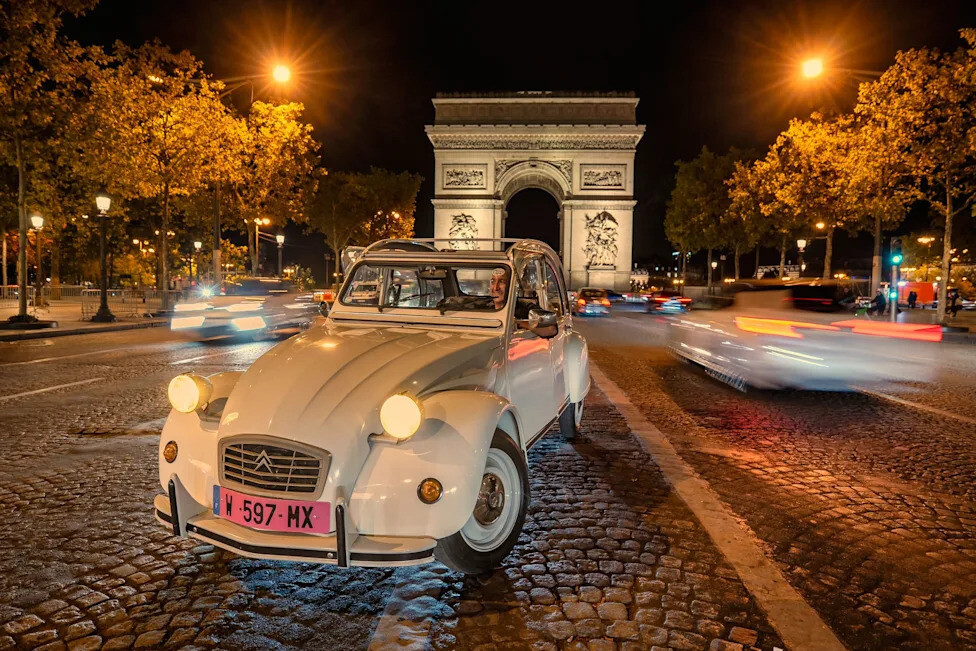
It's a balmy autumn evening in the Paris district of Montmartre and after a few minutes at the wheel of a storied 2CV, it is easy to lose all sense of time. For as darkness falls over the city and the neon signs of the bars and cabarets light up, Paris works its magic.
With Piaf ringing in your ears you can see Brigitte Bardot, Jean Gabin or Jean-Paul Belmondo on film posters and on the Boulevard de Clichy the red sails of the Moulin Rouge are spinning just as they did 100 years ago. There's only one car that fits into this film, the Citroën 2CV.
Admittedly, the 2CV was developed for rural use. Legend has it that its designers wanted to ensure that a farmer could transport a basket of eggs across a ploughed field without breaking them. This explains the soft suspension and, with it, the rather precarious tilt when cornering or navigating roundabouts.
The car was unveiled at the 1948 Paris Motor Show. At first it managed just 9 horsepower and some 5.1 million of them were built in various forms by 1990. The gawky, upright runabout later became a favourite with students, artists and rebels who saw it as an antidote to narrow-mindedness and status-seeking.
All these years later the 2CV is still a perfect fit for Paris and beyond. It is so compact that even a Smart parked next door seems large in comparison. The little car will also still tackle the cobblestones on the Rue Lepic with aplomb and veer around the Arc de Triomphe with verve.
Now Citroën is not only reviving the design but, according to company chief Xavier Chardon, is also returning to the concept of affordable mobility for the masses.
Hence the focus is on the new M1E class, through which Brussels aims to promote small, affordable electric cars from Europe.
"Reinventing the 2CV does not mean copying a car from the past," said the Citroën boss. "It means reinterpreting the characteristics that once made it unique: its simplicity, its accessibility and the freedom it gave its users."
As it turns out, grandma 2CV and her descendant are delightfully similar.
The 2CV Concept, recently unveiled at the Paris Motor Show, has the same rounded headlamps set apart from the bodywork, a sweeping bonnet with ventilation slits, exposed windscreen wipers and, of course, the fabric folding roof.
At 3.76 metres, it's even shorter than the original with a target weight of around one tonne. And the door pockets even have space for carrying eggs.
The production model is due to arrive by 2028 at the latest, just in time for the 2CV's 80th birthday, according to behind-the-scenes reports.
But back to the original. With its puny 29 horsepower the 2CV is quick enough for a dash along along the Champs-Élysées or an outing along the Seine.
On the Périphérique ring road, though, the runabout is hard put to keep up with modern traffic while out in the main roads, it gets stuck behind lorries as acceleration is nothing special.
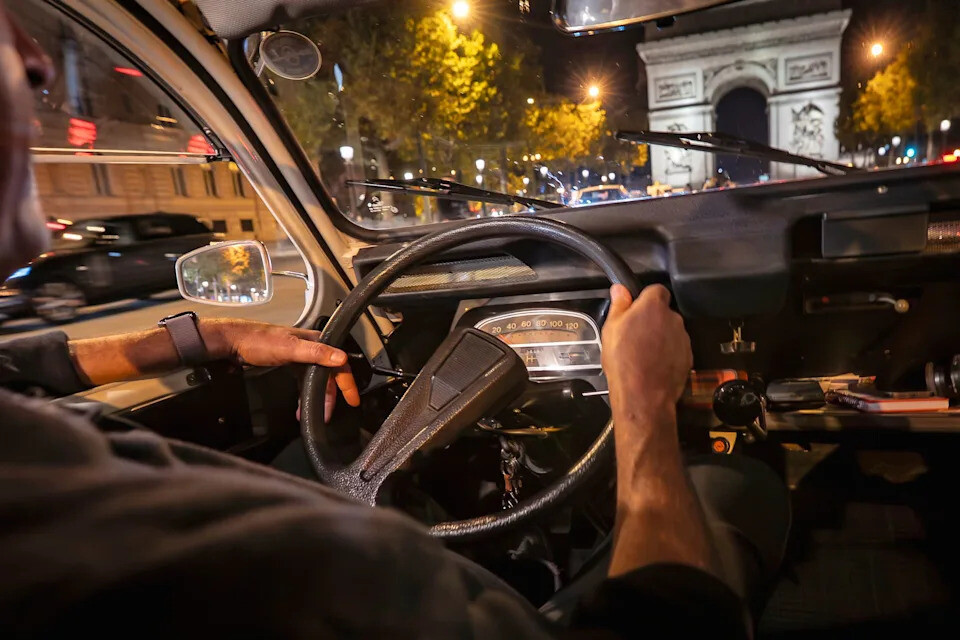
The driver soon gets used to the revolver-style gear selector which consists of a lever with a black knob sprouting from the dashboard. You pull, push and turn it just like the handle of an umbrella, and after three sets of traffic lights, you've got the hang of it.
The gear change is like nothing seen on a modern car and has given way on the new 2CV to a single control lever on a cylinder behind the steering wheel.
Thanks to its cool design the classic version still turns heads in Paris and the bright red concept on 19-inch wheels will surely do just the same.
Inside, the seats feature a new chequered pattern, whilst the steering wheel and switches shimmer in beige as a nod to the Bakelite era of early 2CVs.
Instead of door handles, there are grab loops and the horn sounds like something from a car your grandma might drive. Cheekily, the pedals feature a tortoise for the brake and a rabbit for the accelerator, a playful nod to the freedom to slow down or speed up.
On the concept, the numbers 48, 90 and 26 are displayed on the windscreen, representing the launch, the end of production and the advent of the new car.
The old 2CV is a national treasure, said classic car expert Frank Wilke: "What the Ford Model T is to America and the VW Beetle is to Germany, the 2CV is to France," said the head of market research firm Classic Analytics. Equally distinctive is the cult status the 2CV achieved by elevating minimalism to a stylistic statement.
That is why he has faith in the successor: "If the new electric version looks this similar to the original and has a similarly low purchase price, then the concept makes sense and could be a success." The suggested retail price is said to be around €15,000 in Europe. This is about what well-preserved 1980s 2CV would cost today.
On the way back along the Grands Boulevards, the city has changed.
The bistro terraces are emptying, the waiters are stacking chairs, and on the benches along the Boulevard de Clichy sit couples who are just as reluctant to go home as this driver.
Outside the Moulin Rouge, the audience from the last show are spilling out onto the street, and more than one of them is waving goodbye to the 2CV, as if the car had been on stage itself.
Shortly before two in the morning, the 2CV finally chatters its way up to Montmartre. In front of the Sacré-Cœur, the sparkling lights of Paris can be seen through the windscreen. The engine falls silent, the sunroof remains open, and for a moment there is complete stillness. It remains to be seen whether the reloaded 2CV can conjure up this atmosphere too.
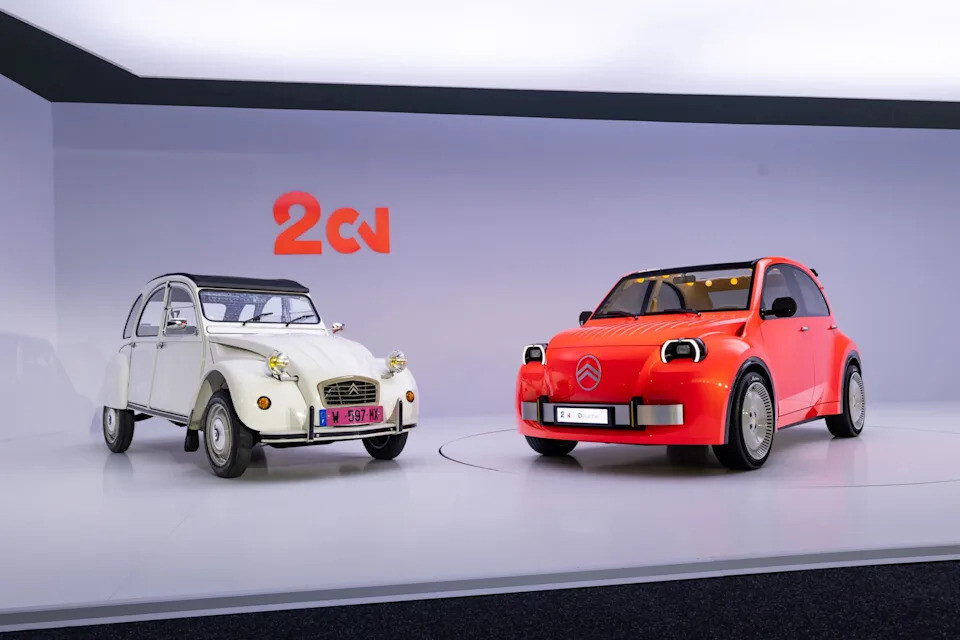
The production model of the new 2CV is reportedly due to arrive by 2028 at the latest, just in time for the 2CV's 80th birthday. Clèment Choulot/Citroën/dpa
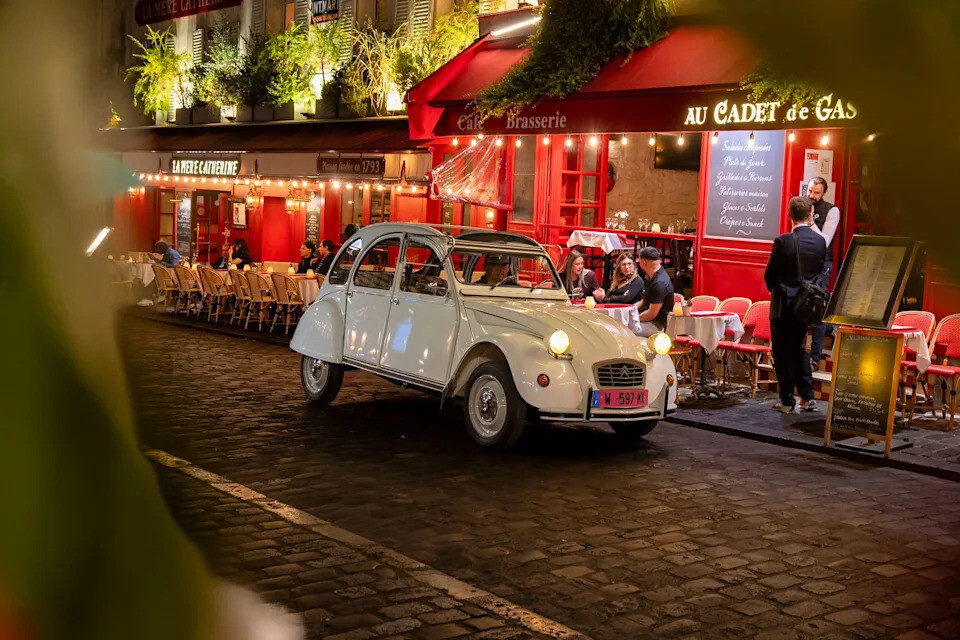
A few horsepower, an open roof and a crispy baguette just a door's width away. Dani Heyne/Citroën/dpa
The classic 2CV still manages this even today in the bustling streets of Paris. Dani Heyne/Citroën/dpa
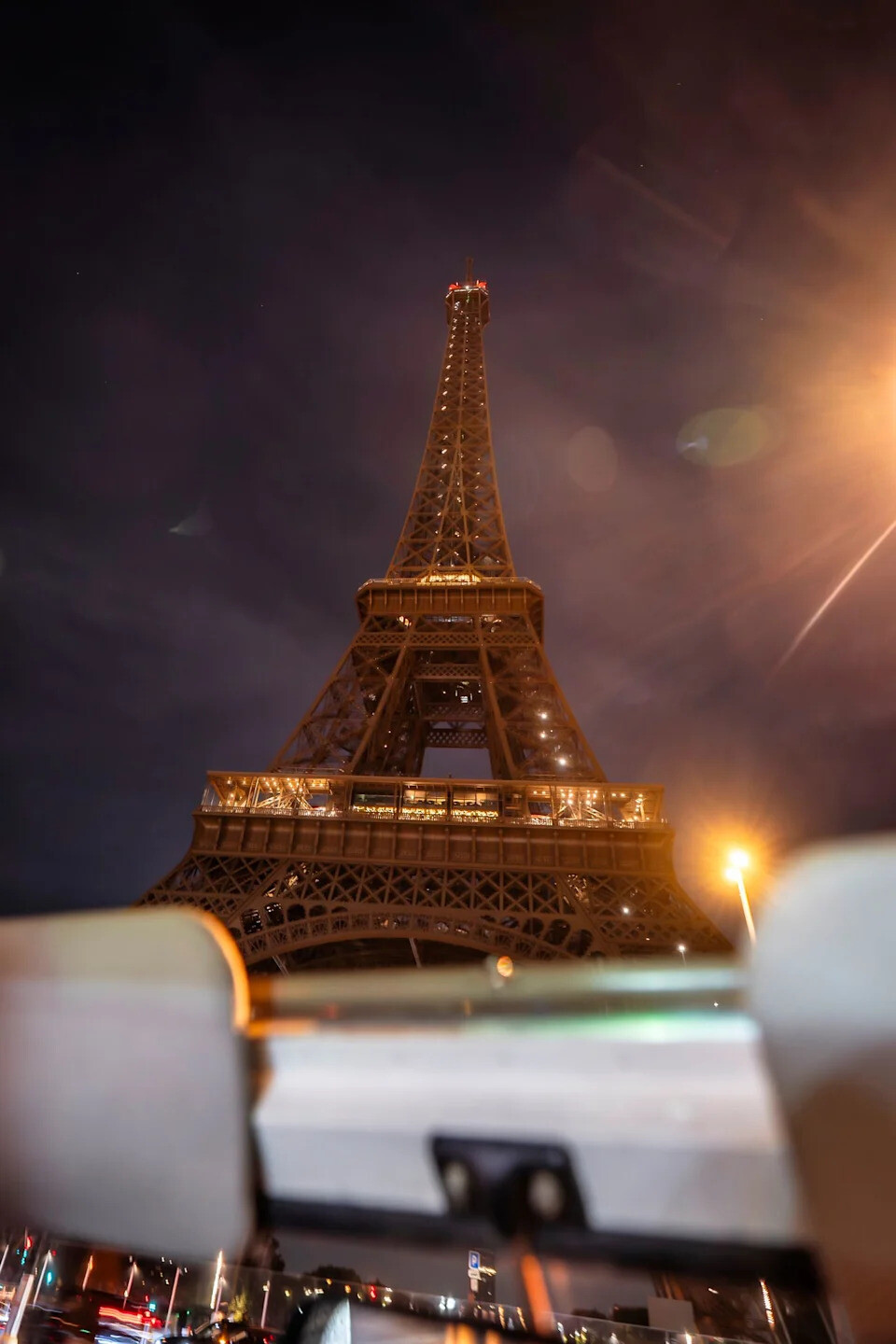
When you open the sunroof, you can see the sky – and the odd landmark or two. Dani Heyne/Citroën/dpa
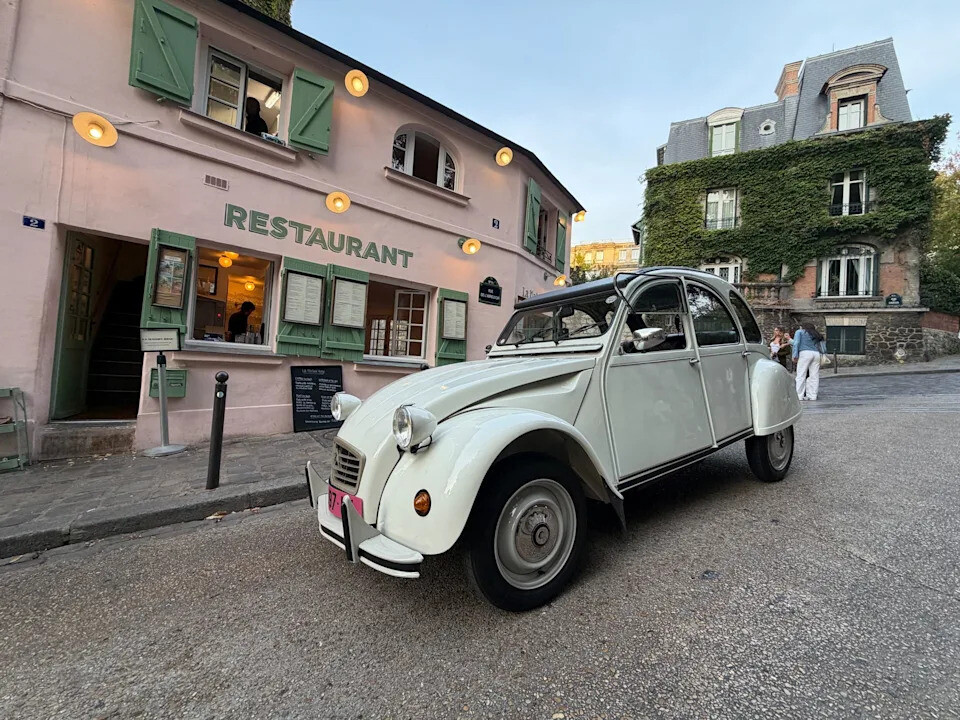
The 2CV came to symbolise relatively affordable motoring in France after the war. Dani Heyne/Citroën/dpa
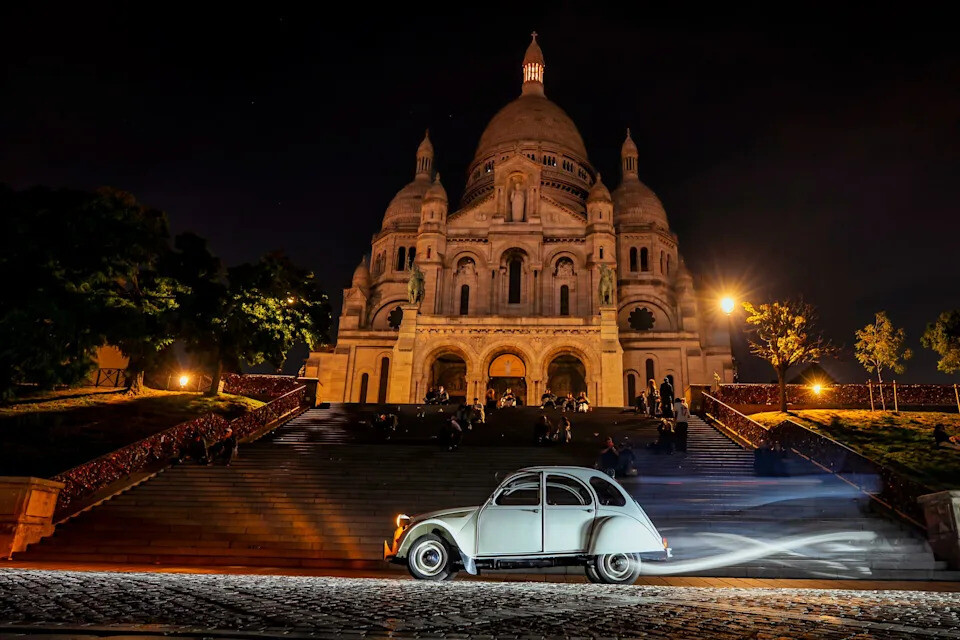
After a long spin, the classic Citroën 2CV takes a breather in front of the Sacré-Cœur on Montmartre. Dani Heyne/Citroën/dpa