 Mehluli Hikwa on Unsplash
As soon as you hop in the driver’s seat, the first thing on your mind is probably the closest place to fuel up. That’s because few roadside businesses are as closely related to American driving as the humble gas station—and the association is no accident, either.
Yet gas stations weren't always the familiar, brightly lit businesses we recognize today. Their evolution reflects more than a century of changes in transportation, consumer habits, and America’s very culture. What began as a practical solution for early motorists gradually developed into a nationwide network of businesses. Along the way, these tiny pit stops became an important part of the freedom every driver got with owning a car.
The Early Days of American Gas Stations
 engin akyurt on Unsplash
When cars first appeared in the United States, finding gas wasn't a walk in the park. Early drivers often purchased fuel from pharmacies or hardware stores that had it available in containers. It wasn’t like they were around the corner, either; without dedicated fueling facilities, you had to plan carefully before traveling too far from home.
As ownership increased during the early 1900s, businesses finally realized the growing demand for accessible gas. Next thing you knew, roadside pumps started popping up outside existing establishments, allowing drivers to refuel without having to lug those containers around. But even though these arrangements were practical, they offered few additional services and weren't necessarily designed with actual cars in mind.
But the beginning of an idea sparked, one that convinced Gulf Refining Company to open its famous purpose-built service station. The business had just about everything you could ask for: a covered fueling area, attendants, and complimentary road maps, making it far more accommodating for drivers in a bind.
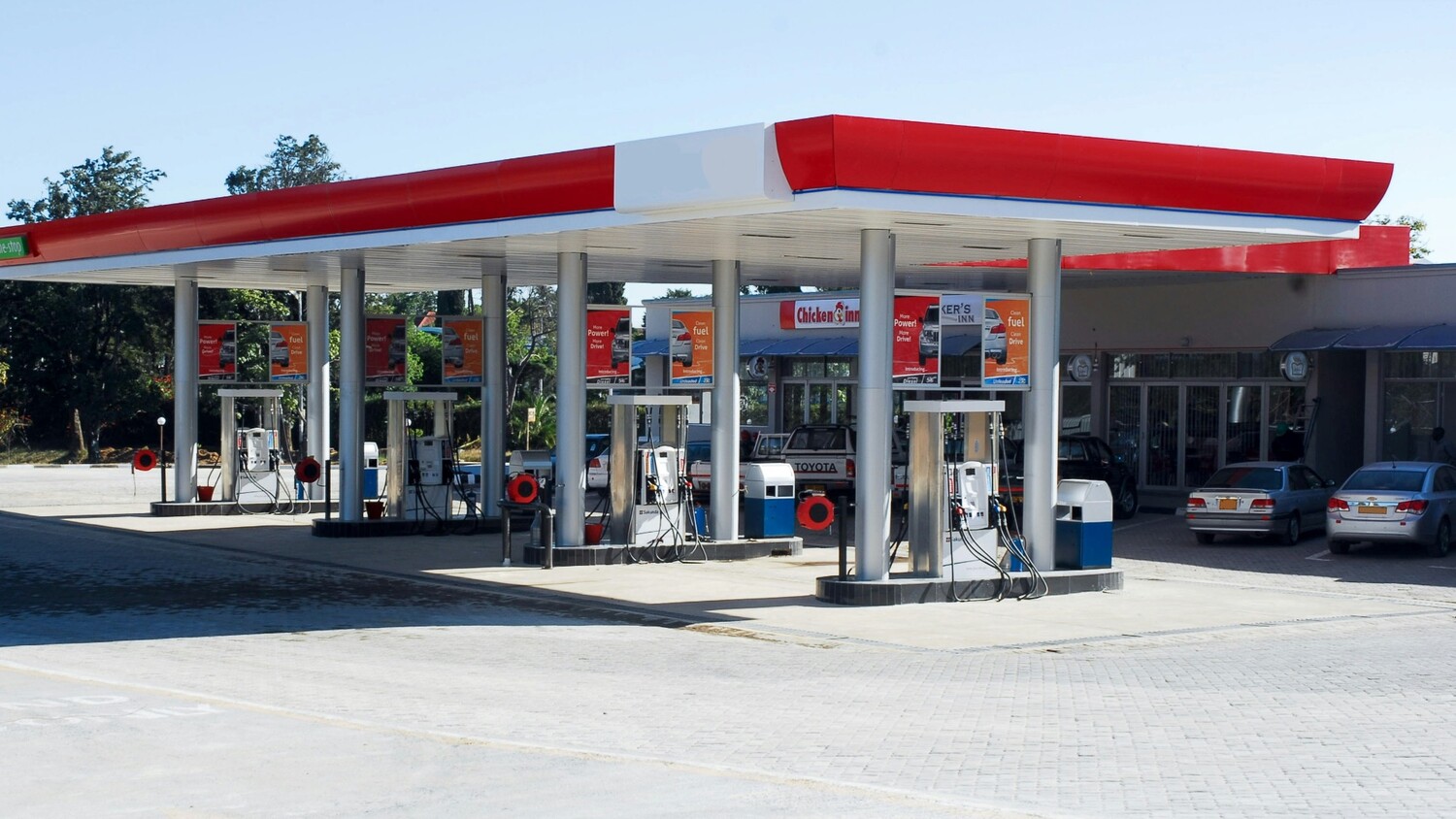
During the 1920s, gasoline companies expanded their networks as more Americans purchased automobiles. Businesses began constructing recognizable stations with distinctive architectural designs, company logos, and prominent roadside signs. Many also introduced maintenance services, encouraging motorists to treat gas stations as dependable places for assistance.
How Gas Stations Became Road Trip Essentials
As we all know, travel became more popular, and gas stations had to keep up with the influx of drivers. That’s exactly why stations acquired a significance that extended beyond selling fuel. Soon, it turned into a hub for community. Drivers exploring unfamiliar regions depended on attendants for directions, information about road conditions, and recommendations for nearby accommodations. Before smartphones and satellite navigation, asking someone behind the counter for help was pretty much the only chance you had to know which exit was yours!
Oil companies quickly realized that customer service could influence where motorists chose to stop. Many stations offered complimentary windshield cleaning, tire-pressure checks, and assistance with basic mechanical concerns. Clean restrooms and free highway maps became especially valuable attractions for families spending long hours on the road.
For many American families, these stops eventually became memorable parts of their vacations. While it wasn’t an amusement park, it was a place where children could stretch their legs as parents checked the map, cleaned the windshield, or purchased something to drink. Not to mention, after hours stranded on a quiet road, seeing one friendly face behind the counter made the whole trip worth it.
Gas stations also developed distinctive regional identities, particularly in smaller communities where independently operated businesses maintained loyal customers. Some featured unusual architecture or prominent signs designed to attract passing traffic. Others became familiar gathering places where residents exchanged local news while mechanics worked on their cars.
From Full-Service Stations to Modern Convenience Stops
 Kujtim Shabani on Pexels
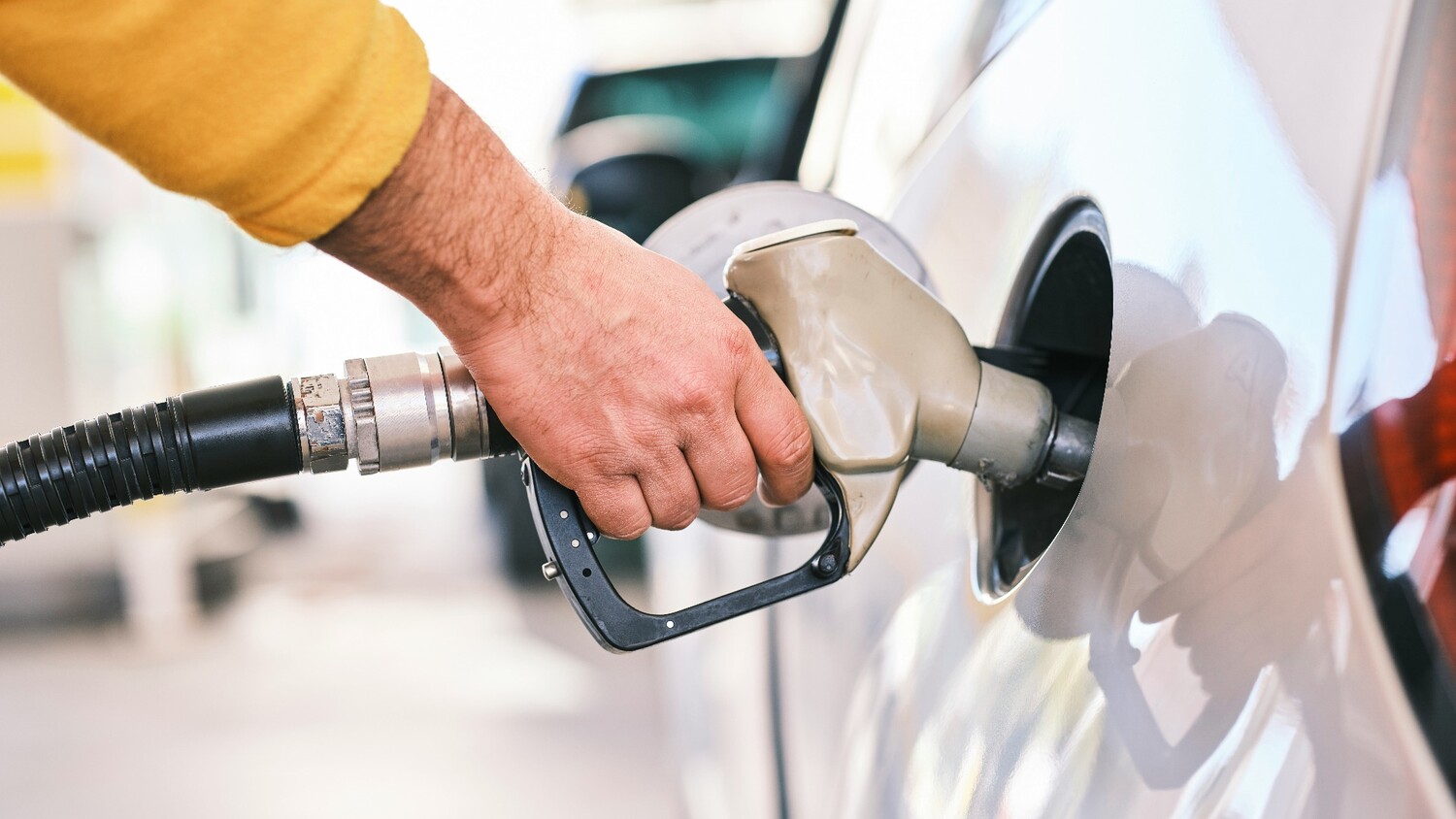
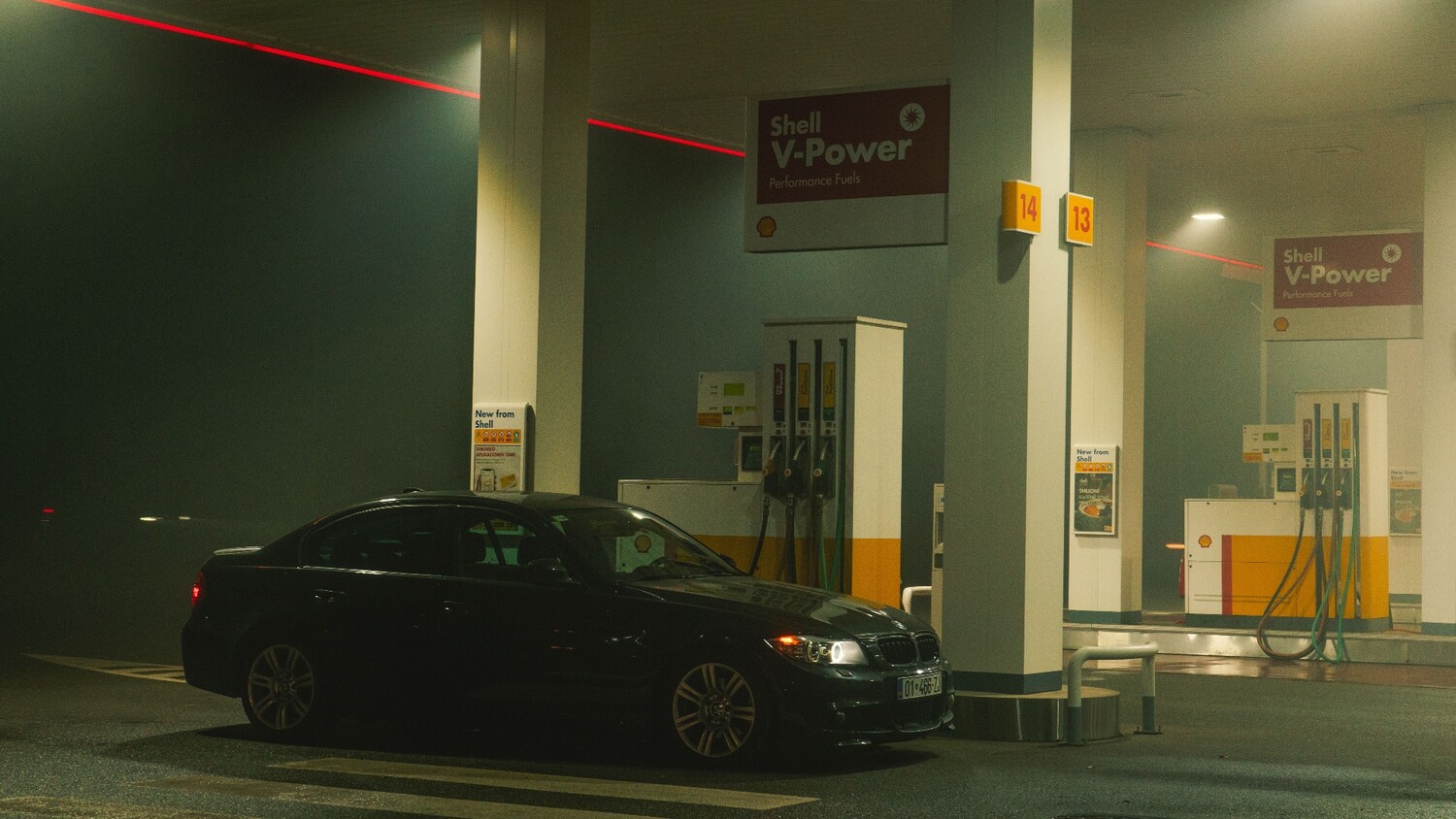
For much of the 20th century, having an attendant pump your gas was a standard part of visiting a service station. It was in the name, after all! Customers could remain seated while employees handled fueling and sometimes checked the oil or cleaned the windows. It was a pretty sweet deal for a while, though these little touches soon dwindled as businesses scrambled for ways to reduce expenses and offer lower prices.
But with the reduction of one, self-service fueling emerged, especially in the ‘60s and ‘70s. In 1964, a convenience store in Colorado introduced remotely controlled self-service pumps, allowing employees to authorize fueling from inside the building. The concept eventually gained popularity as regulations changed and motorists became more interested in saving money.
The energy crisis of 1973 further changed how Americans viewed gas purchases. Fuel shortages, long lines, and rising prices made drivers more conscious of consumption and the cost of filling their tanks. Cheaper self-service options consequently became more attractive, helping accelerate a transition that permanently altered the industry.
Meanwhile, convenience stores kept replacing traditional repair-focused stations as the preferred roadside business model. Rather than relying solely on mechanical services, operators began emphasizing packaged snacks, coffee, cold drinks, and everyday essentials. It was a combo that appealed to motorists who wanted to accomplish several errands during a single stop.
It’s been a long road (pun intended), but today's gas stations can offer considerably more than their predecessors, including restaurants, automatic car washes, and increasingly, electric vehicle charging facilities. Yet their fundamental purpose remains the same: providing drivers with a convenient place to stop before continuing their journeys. We might not think much of them now, but these businesses have helped shape the experience of driving across America for generations.
KEEP ON READING