
Source: AutoGuide
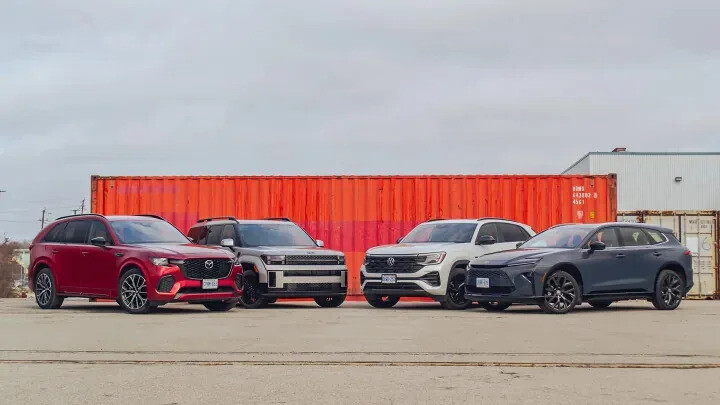
The Trump administration's plan to loosen federal fuel economy requirements sounds like good news for automakers that want to keep building gas-powered vehicles, but it's not all rainbows and kittens for those looking to walk back their advancements in the gas mileage game. Enter an unexpected hiccup: Some SUVs and crossovers could actually face tougher standards under the revised rules.
Source: AutoGuide
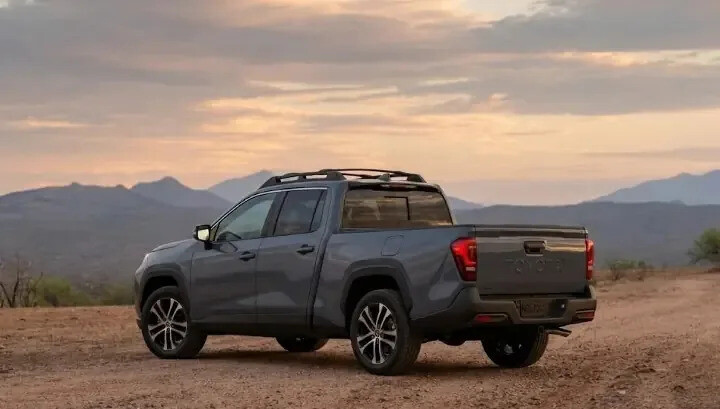
The issue comes down to how the government defines a "light truck" for Corporate Average Fuel Economy (CAFE) purposes. Historically, vehicles that met certain criteria-- things like ground clearance, four-wheel drive, and off-road inclinations-- could qualify for the light-truck category. It was a loophole manufacturers loved to explore, as it also came with the territory of less stringent fuel economy requirements than passenger cars.
That distinction made sense when most SUVs were built for work and utility, rather than carrying family members and doing the monthly Costco run. Today, however, plenty of family-oriented crossovers share those characteristics without offering much in the way of actual hauling or towing capability.
Source: Chevrolet
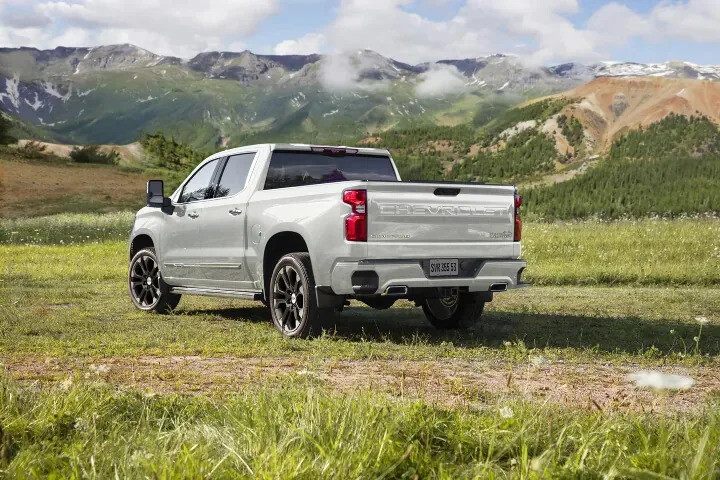
With the new regulations slated to begin with the 2030 model year, the National Highway Traffic Safety Administration plans to introduce a Light Duty Work Factor that takes elements like a vehicle's payload and towing capacities and weighs them against the intended purpose of said vehicle. To qualify as a light truck, a vehicle must reach a combined threshold of 8,500 pounds. Full-size pickups and heavy-duty trucks should have little to no trouble meeting that standard.
It's with some midsize SUVs and crossovers that things become more complicated. Without a vehicle's GVWR tallying 8.5k pounds, said vehicles could be reclassified as passenger vehicles. In turn, this would mean they have to abide by potentially stricter fuel economy requirements.
Where it gets especially tricky is in this snippet of things when weighed against the broader fuel efficiency rollback.
While the policy is meant to let automakers do more, it might actually mean they need to rework their products or lineups as a whole. Then again, everything with CAFE is subject to change, and a new administration in 2028 could put everything right back to where it was headed pre-Trump.
Become an AutoGuide insider. Get the latest from the automotive world first by subscribing to our newsletter.