
The Future is Here, But Safety Remains a Concern
Robotaxis aren't just sci-fi anymore. Tesla kicked off its Model Y-based robotaxi service in Texas last year, and just last month, the wild-looking Cybercab joined the party. The Cybercab skips the basics – no steering wheel, no pedals, just pure autonomy.
But Tesla's self-driving dreams just hit another speed bump. The National Highway Traffic Safety Administration (NHTSA) is now poking around after claims that these robotaxis have been zipping past the speed limit in active school zones.
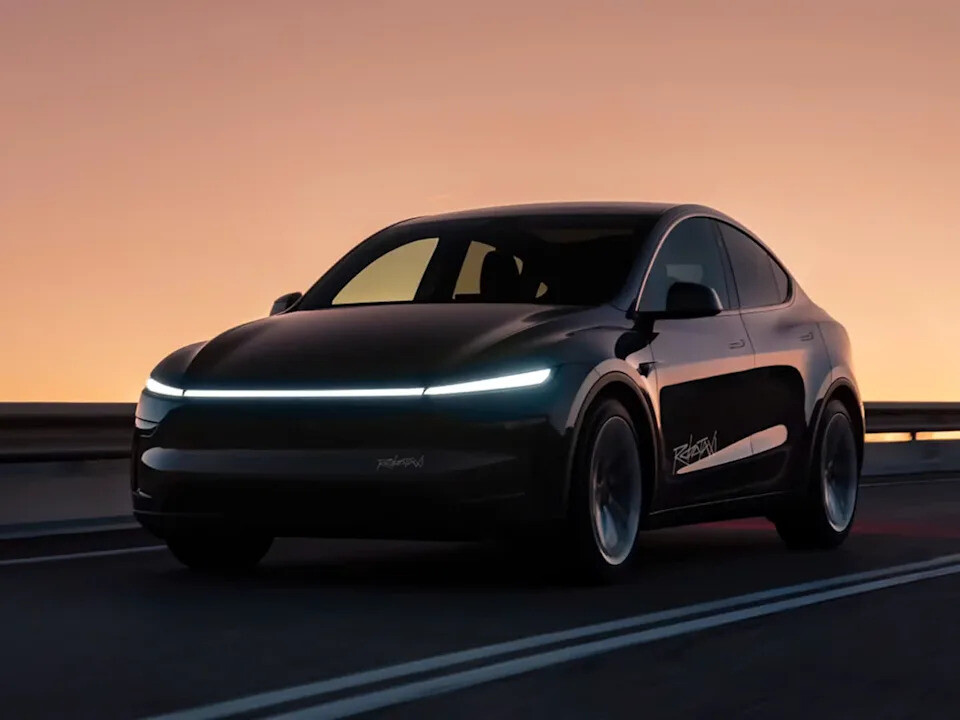
Tesla
What the NHTSA Is Investigating
The NHTSA cracked open defect petition DP26010 on October 9, 2026, targeting the 2026 Tesla Robotaxis – both the Model Y and the Cybercab. The complaint, filed in late September, claims these cars are blowing past school-zone speed limits while driving themselves.
The complaint came with three video links as evidence. The agency's first report lists four incidents, most of them plucked straight from social media. So far, there have been no crashes, injuries, fires, or anything else dramatic.
Roughly 1,000 vehicles are under the microscope. For now, the NHTSA is just weighing the evidence to decide if this petition goes anywhere. No one's in trouble –or at least not yet.
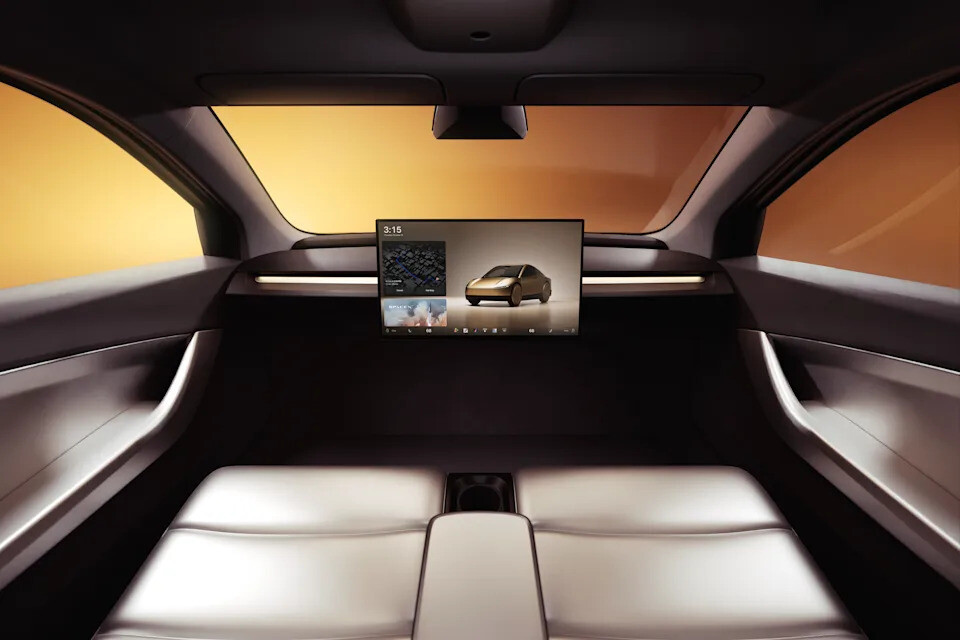
Tesla
Waymo Has Faced Similar Problems
Tesla isn't the only one sweating over driverless safety. Waymo's robotaxis have also been under the microscope for allegedly ignoring school buses, which led to a recall and some hasty software tweaks. The company even landed in hot water with the NHTSA after one of its cars hit a child in a school zone.
All of this just goes to show how tough it is to get autonomous cars to play by the rules when things get unpredictable. Tesla's latest investigation only adds fuel to the fire, especially when kids and school zones are in the mix.
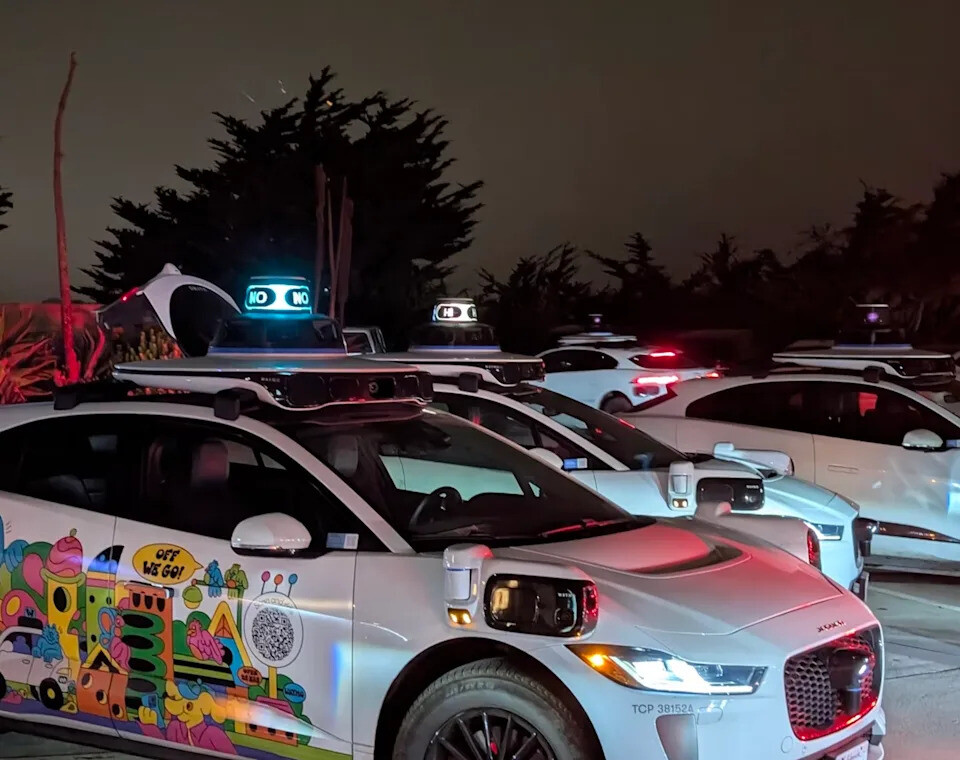
Riley Walz